Why Pre-Emergent Weed Control Is the Most Important Spring Lawn Treatment
January 13, 2026
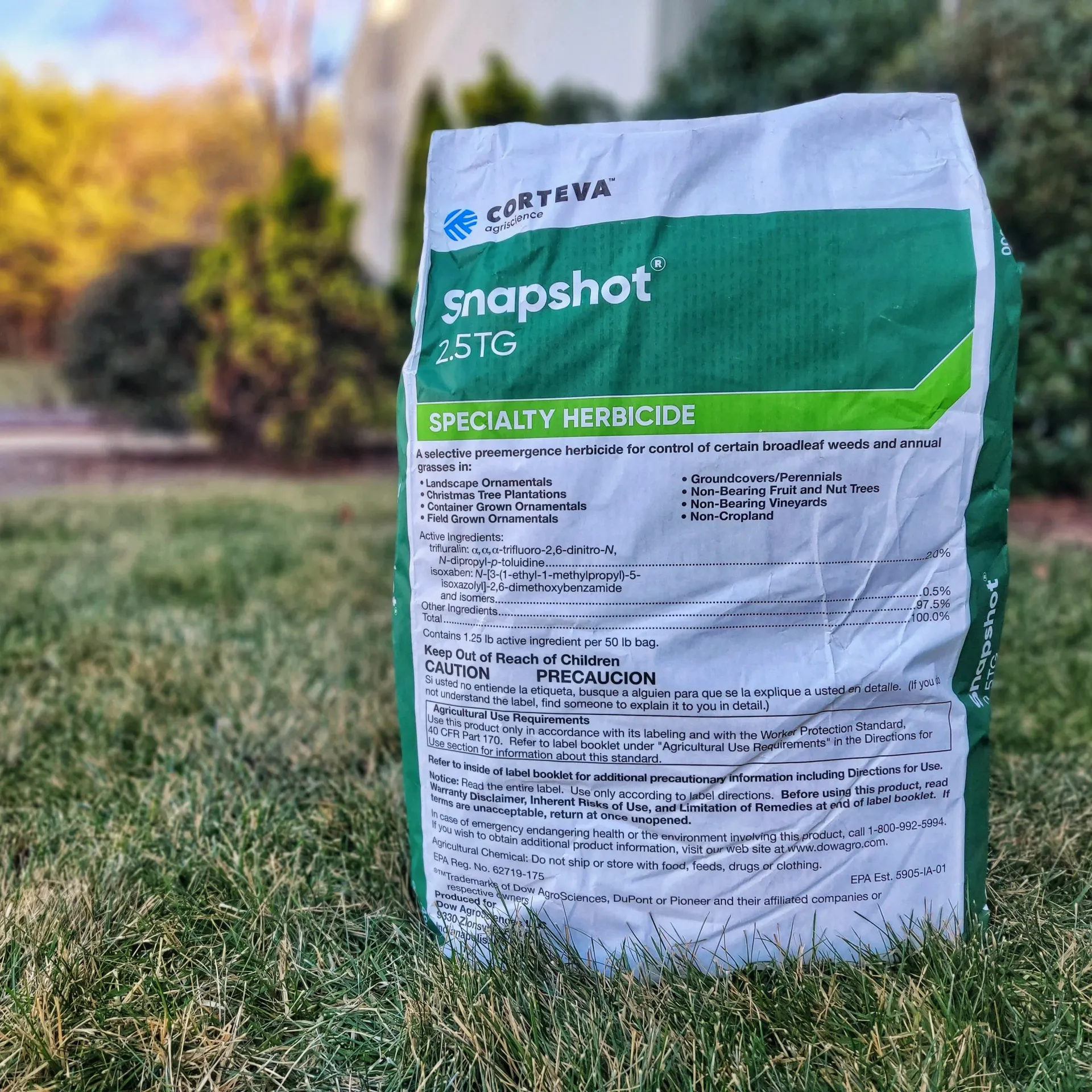
A green and white bag of Snapshot 2.5TG specialty herbicide stands on grass.
Spring lawn care checklist.
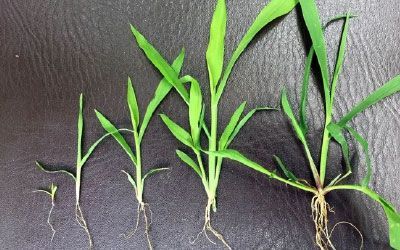
Different sizes of grass.
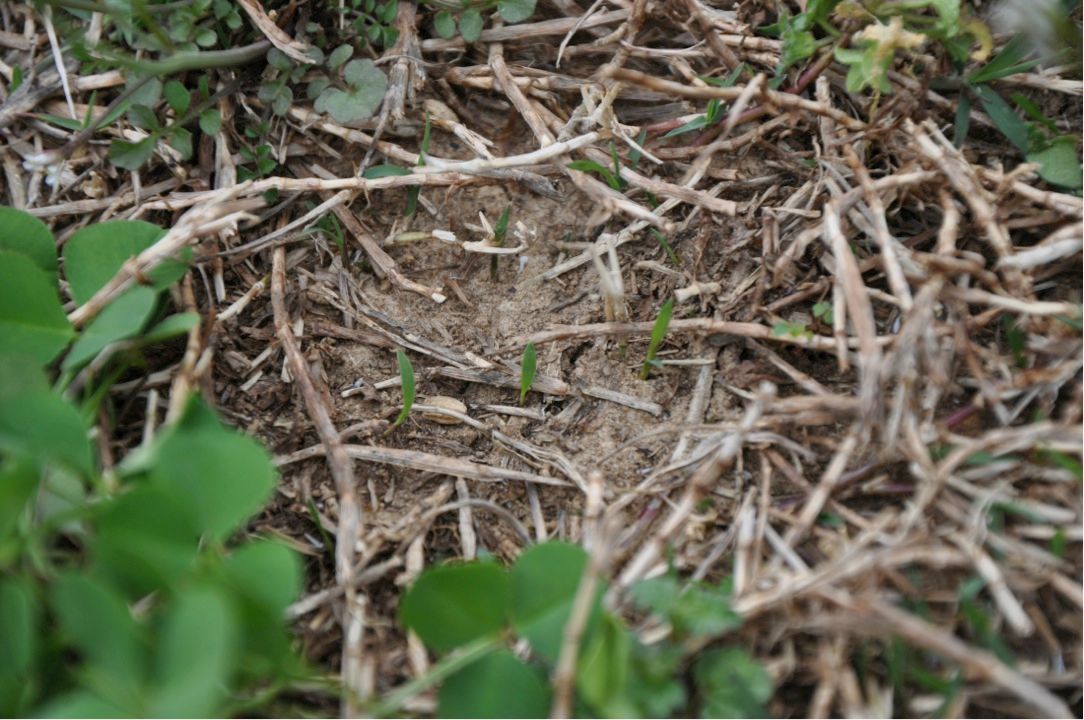
Dry part of land without grass.

Most homeowners think weeds start when they see them.


In reality, weeds start weeks earlier—quietly, underground.


That’s why pre-emergent weed control is the most essential part of any spring lawn treatment and one of the smartest investments you can make in a professional lawn fertilization service.


If your goal is fewer weeds, healthier grass, and less frustration all summer long, the work begins before weeds ever break the surface.


What Is Pre-Emergent Weed Control?

Pre-emergent weed control is a proactive lawn treatment that prevents weed seeds—such as crabgrass and goosegrass—from germinating.


Weed seeds already exist in your soil. Always have. Pre-emergent treatments create a protective barrier that prevents those seeds from germinating once soil temperatures rise.

No roots means no weeds.


This is fundamentally different from post-emergent weed control, which targets weeds only after they’ve already taken over your lawn.


Why Timing Matters More Than Anything Else

One of the biggest reasons homeowners struggle with weed control is timing.


Pre-emergent applications must be made before weeds germinate, not after. Crabgrass typically begins germinating when soil temperatures reach around 55°F for several consecutive days. That timing varies year to year, which is why professional weed control services monitor weather patterns rather than rely on calendar dates.


Applied too early, the product may wear off too soon.


Applied too late, and the weeds have already won.


This precision is one of the most significant advantages of hiring a professional fertilizer application service rather than relying on DIY treatments.


Pre-Emergent + Fertilization = Better Results

Pre-emergent weed control works best when paired with proper lawn fertilization.


A healthy, dense lawn naturally crowds out weeds. That’s why professional programs combine spring lawn fertilizationpre-emergent weed control, and correct mowing practices into a single strategy.


Whether applied as a granular fertilizer service or as a liquid lawn fertilizer, feeding your turf at the right time and on a consistent schedule strengthens root systems and improves long-term weed resistance.


The result isn’t just fewer weeds—it’s thicker, greener grass that holds up better through summer stress.


Why DIY Weed & Feed Often Disappoints

Many homeowners try a store-bought weed-and-feed lawn service alternative and feel it “kind of worked… maybe.”


The issue usually isn’t effort. Its coverage, calibration, timing, and water-in requirements. Uneven application or improper watering can drastically reduce effectiveness, especially with pre-emergent products.


Professional licensed lawn care providers use calibrated equipment, correct application rates, and materials designed for consistent results—whether you’re looking for traditional programs or eco-friendly lawn treatment options.


What If You Miss the Pre-Emergent Window?

If pre-emergent weed control is skipped, the season becomes reactive instead of preventive.


You’ll rely more heavily on post-emergent weed control, which is often more expensive, more stressful for turf, and less effective overall. Crabgrass, in particular, spreads aggressively and produces thousands of seeds, setting you up for future problems.


Skipping pre-emergent is like skipping oil changes and hoping the engine survives.


Is Pre-Emergent Safe for Pets and the Environment?

Many homeowners ask about pet-safe lawn treatmentorganic weed control, or non-toxic weed control options.


While true organic pre-emergents are limited in effectiveness, professional programs can be tailored using lower-impact products, proper application timing, and integrated cultural practices to reduce overall chemical use. When applied correctly and according to label directions, professional treatments are safe for families and pets once watered in and dry.


If organic lawn fertilizing or eco-friendly lawn services are a priority, we should discuss them as part of a customized lawn care plan.


The Bottom Line

Pre-emergent weed control isn’t flashy. You’ll never actually see it working.


But it is one of the most valuable services a professional lawn fertilization and weed control program can provide. When combined with proper fertilization, mowing, and seasonal planning, it dramatically reduces weeds, improves turf health, and lowers long-term maintenance costs. Pre-Emergent weed control is included in The Lawn Officers' Round One and Round Two treatments. This ensures quality coverage and prevents a wider range of weed seeds from germinating.


Spring is when great lawns are built—quietly, beneath the surface.
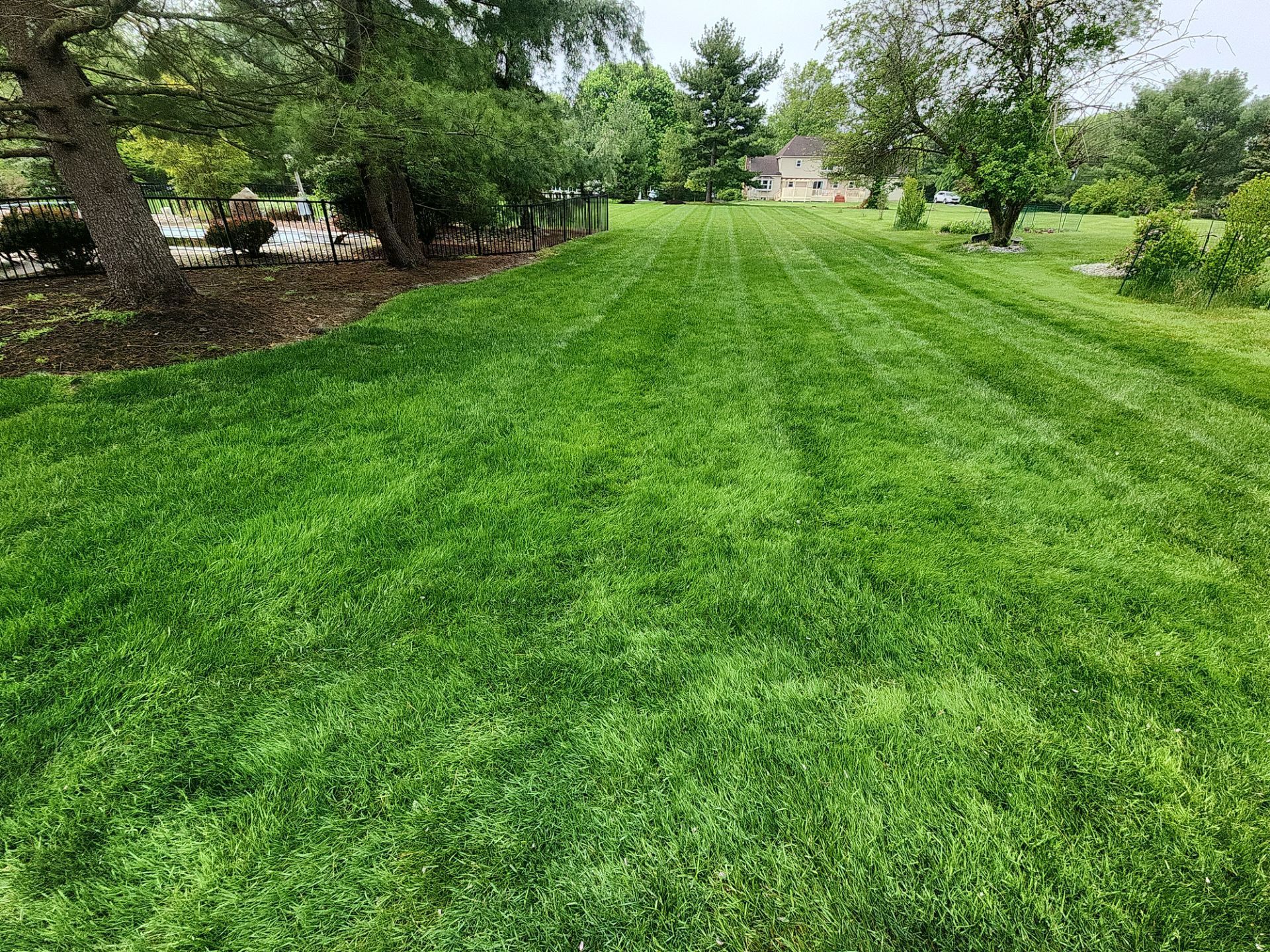
A lush green lawn with trees in the background and a house in the background.
By The Lawn Officers August 12, 2024
As the summer heat wanes and the crisp fall air sets in, it's the perfect time to think about your lawn's health. Fall is an ideal season for seeding and aeration, crucial practices for maintaining a lush, green lawn. This blog post is going to explore why these processes are so important and how they can rejuvenate your lawn. Why Fall is Ideal for Seeding and Aeration Fall presents the perfect conditions for lawn care. The warm soil and cool nights create an ideal environment for grass seed growth. This season also allows new grass roots to develop before winter sets in, preparing your lawn for a vibrant spring. Benefits of Aeration for Lawn Health Aeration provides numerous benefits that are essential for a healthy lawn: Improved Air Exchange: Aeration improves the air exchange between the soil and the atmosphere, which is vital for root health. Enhanced Water Uptake: It helps the soil absorb water more efficiently, reducing water runoff and puddling. Better Fertilizer Utilization: By allowing nutrients to penetrate deeper into the soil, aeration ensures better use of fertilizers. Reduced Soil Compaction: Aeration breaks up compacted soil, promoting more robust and deeper root growth. How Fall Seeding Complements Aeration Combining fall seeding with aeration maximizes the benefits. Seeding during aeration helps fill bare or thin spots in the lawn with healthy turf, utilizing the nutrients brought up by the aeration plugs. This process also allows new grass to take root, providing a more resilient lawn. The Process of Aeration Aeration involves making holes in the ground to allow air, water, and nutrients to reach plant roots more easily. This reduces soil compaction and oxidizes the soil, promoting better and deeper root growth. The result is a healthier, more resilient lawn. Choosing the Right Grass Seeds for Fall Seeding Selecting the right grass seeds is crucial for success. The Lawn Officers use a blend of Tall Fescue, Perennial Ryegrass, and Kentucky Bluegrass. This mix offers: Tall Fescue: Drought resistance and durability. Perennial Ryegrass: Quick germination and cold resistance. Kentucky Bluegrass: Spreading qualities to fill in areas and enhance the lawn's resilience. Recovering from Summer Stress Summer heat can damage lawns, leaving weak and dying turf. Fall seeding helps replace stressed grass, ensuring a healthier lawn before winter. New seeds fill the gaps, providing a dense, green lawn come spring. Signs Your Lawn Needs Aeration and Seeding Almost every lawn can benefit from fall aeration and seeding, especially those with signs of compaction or thinning. In Central New Jersey, heavy clay soils and areas with foot traffic particularly need aeration to allow air and water to penetrate deeper into the roots. Preparation and Post-Care for Aeration and Seeding Preparation: 1. Mark Obstacles: Identify and mark underground obstacles like sprinkler heads and invisible dog fences. 2. Clear Debris: Remove leaves and debris from the lawn before aeration and seeding. 3. Plan Fertilization: Have a fertilization plan ready, such as The Lawn Officers' 8-Round Fertilization & Weed Control Program.. Post-Care: 1. Watering Plan: Follow a structured watering plan: - Before Germination: Water lightly and frequently. - Four to Five Weeks After Germination: Water deeply but less frequently. - Five Weeks to Nine Months After Germination: Ensure consistent watering to encourage deep root growth. 2. Leave Aeration Cores: Allow the aeration cores to break down naturally, adding nutrients to the soil. 3. Mowing: Wait about two weeks or until most seeds have germinated before mowing. Frequency of Aeration and Seeding Aeration and seeding should be performed annually in the fall for optimal lawn health. Regular maintenance ensures your lawn remains vibrant and resilient. Common Mistakes to Avoid Using Wrong Equipment: Hire a professional to ensure the right equipment is used. Incorrect Timing: Aerate and seed at the proper temperatures to avoid seed failure. Inadequate Post-Care: Follow a proper watering and care plan to support seed germination. Over-Watering or Under-Watering: Monitor and adjust watering to maintain balance. Premature Mowing: Avoid mowing until seeds have sufficiently germinated. Improper Herbicide Use: Wait 5-6 weeks after germination before applying herbicides. Customer Success Stories Our clients consistently see impressive results from fall seeding and aeration. For example, one customer reported that their lawn looked like a major league sports field in the spring after following our program. Our follow-up visits ensure any hard-to-germinate areas are addressed, guaranteeing customer satisfaction. By understanding the importance of fall seeding and aeration, you can take proactive steps to ensure your lawn remains healthy and beautiful. Trust The Lawn Officers to provide expert care and deliver exceptional results.
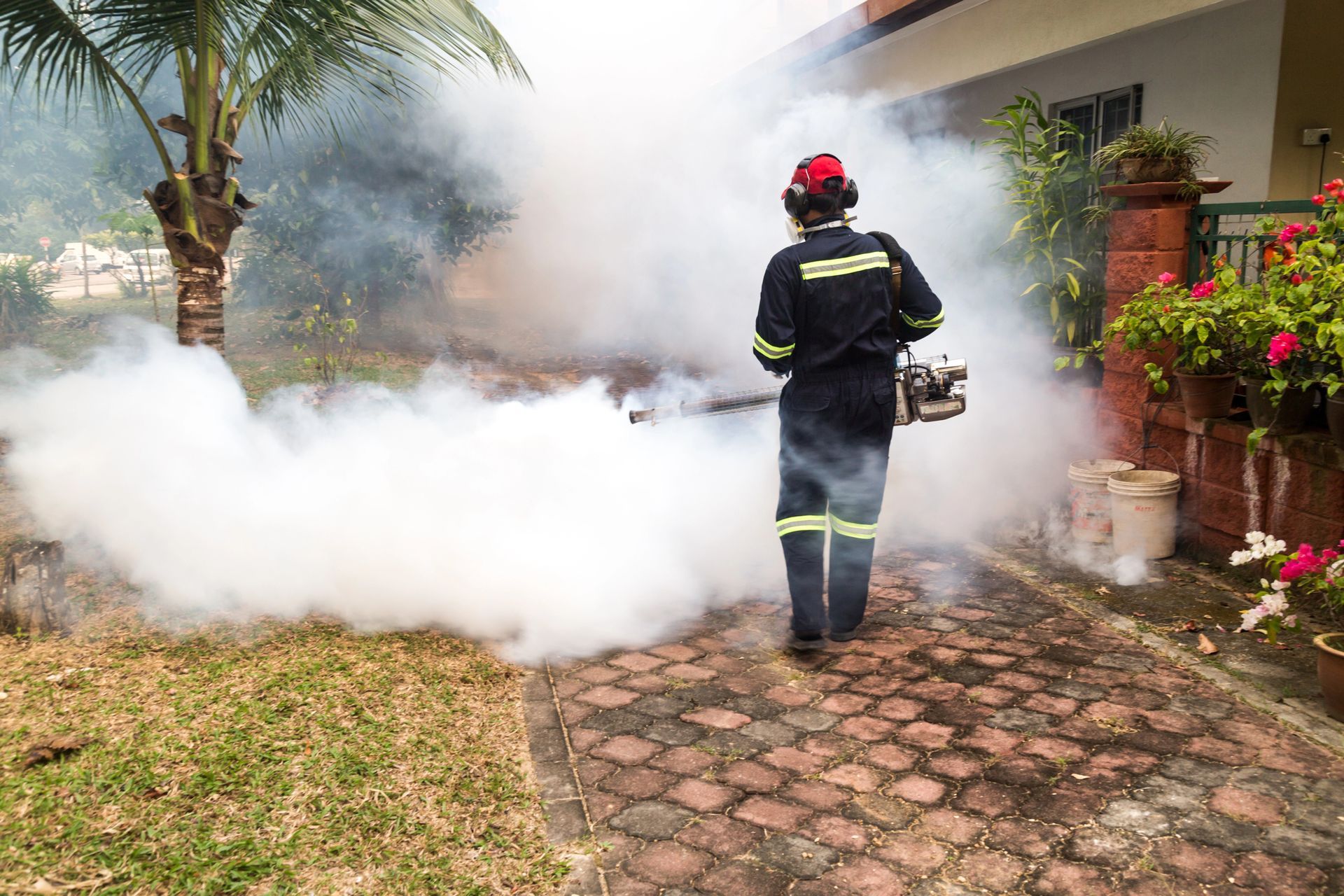
Mosquito Control Treatments
By David J. Warrick, Jr. May 14, 2024
Mosquito control applications to keep homes free of the pesky pests.